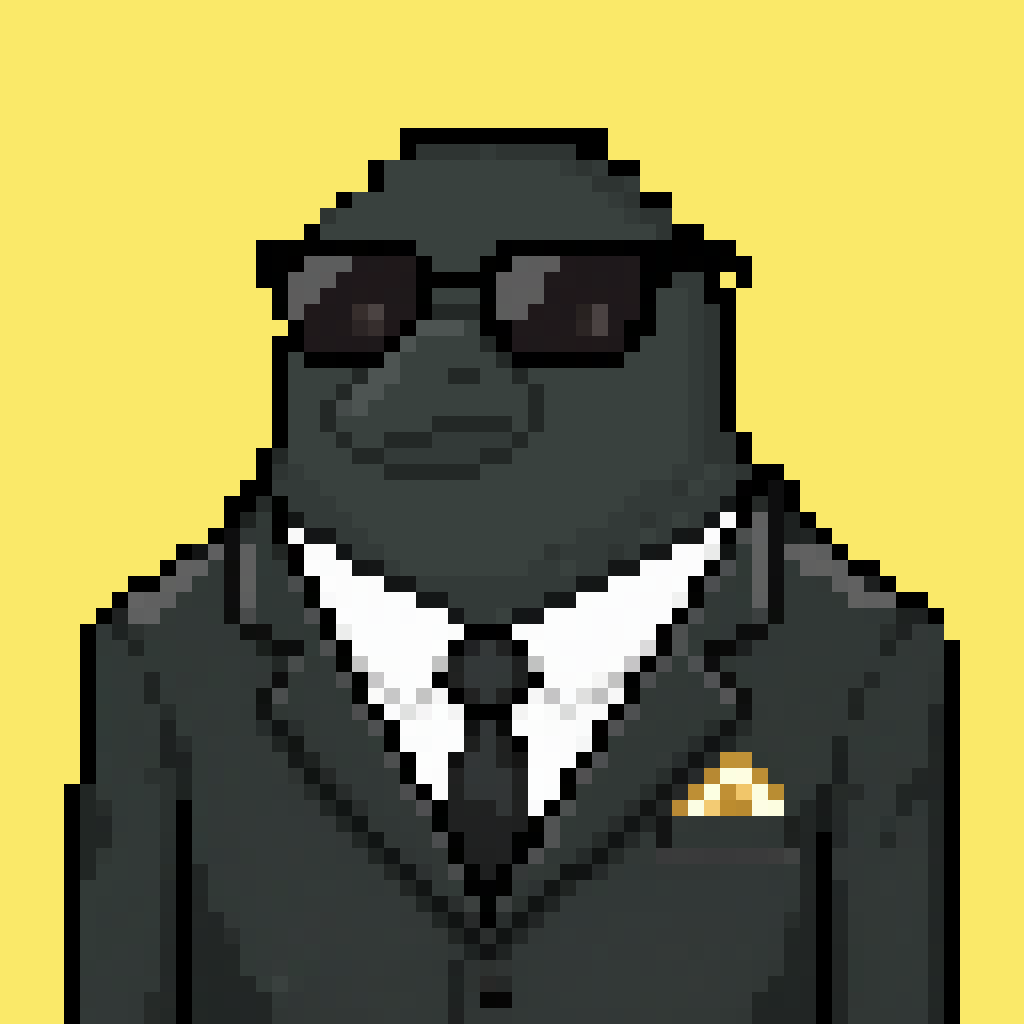
Founder and project lead of CorvidLabs. Over a decade in software, iOS development, and open source. Builds useful tools and apps, and creates the studio’s Corvid Nevermore pixel art.
Open source iOS Developer tools Pixel art
The team
Developers, designers, and artists making useful software, tools, games, and art together.
Four people. Each portrait is that person's Nevermore.
Founder and project lead of CorvidLabs. Over a decade in software, iOS development, and open source. Builds useful tools and apps, and creates the studio’s Corvid Nevermore pixel art.
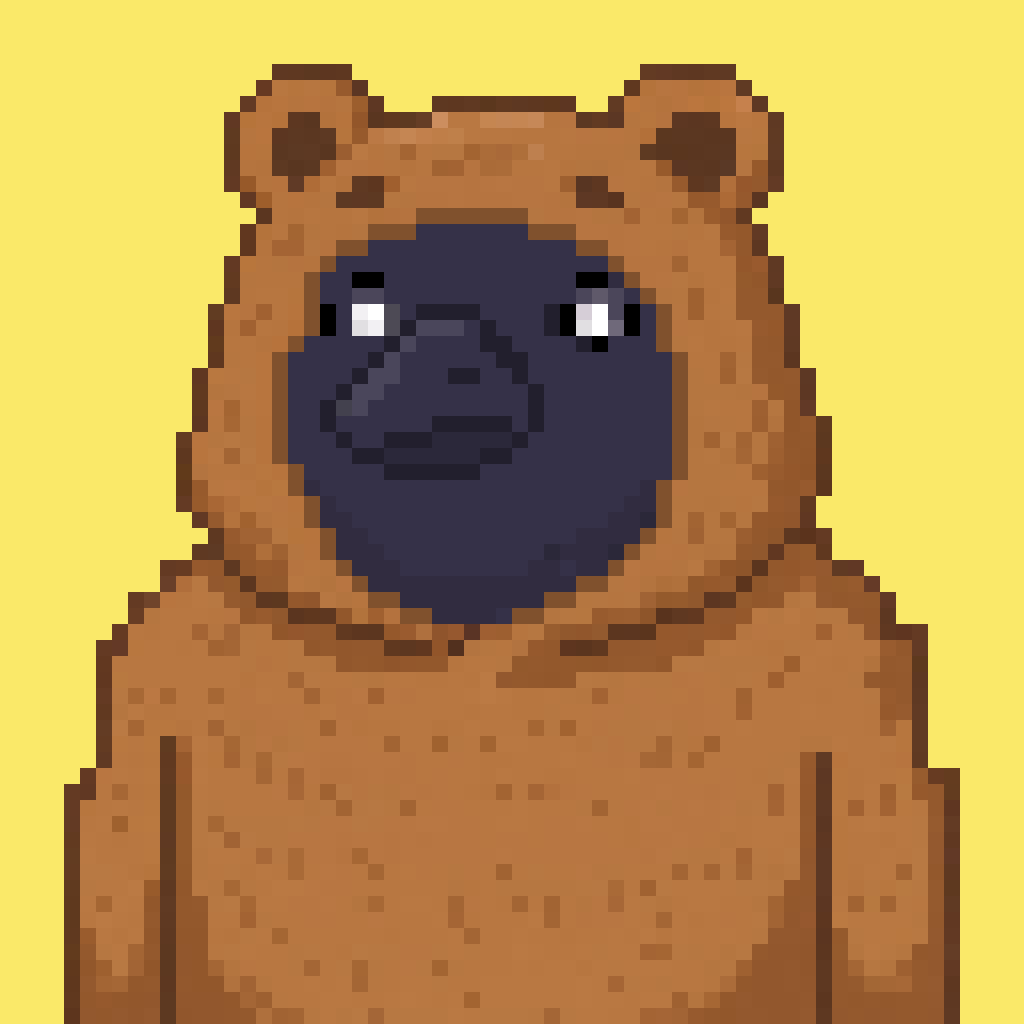
Co-founder. Works on the design system, brand, and product surfaces, including the studio’s paper-and-ink visual identity.
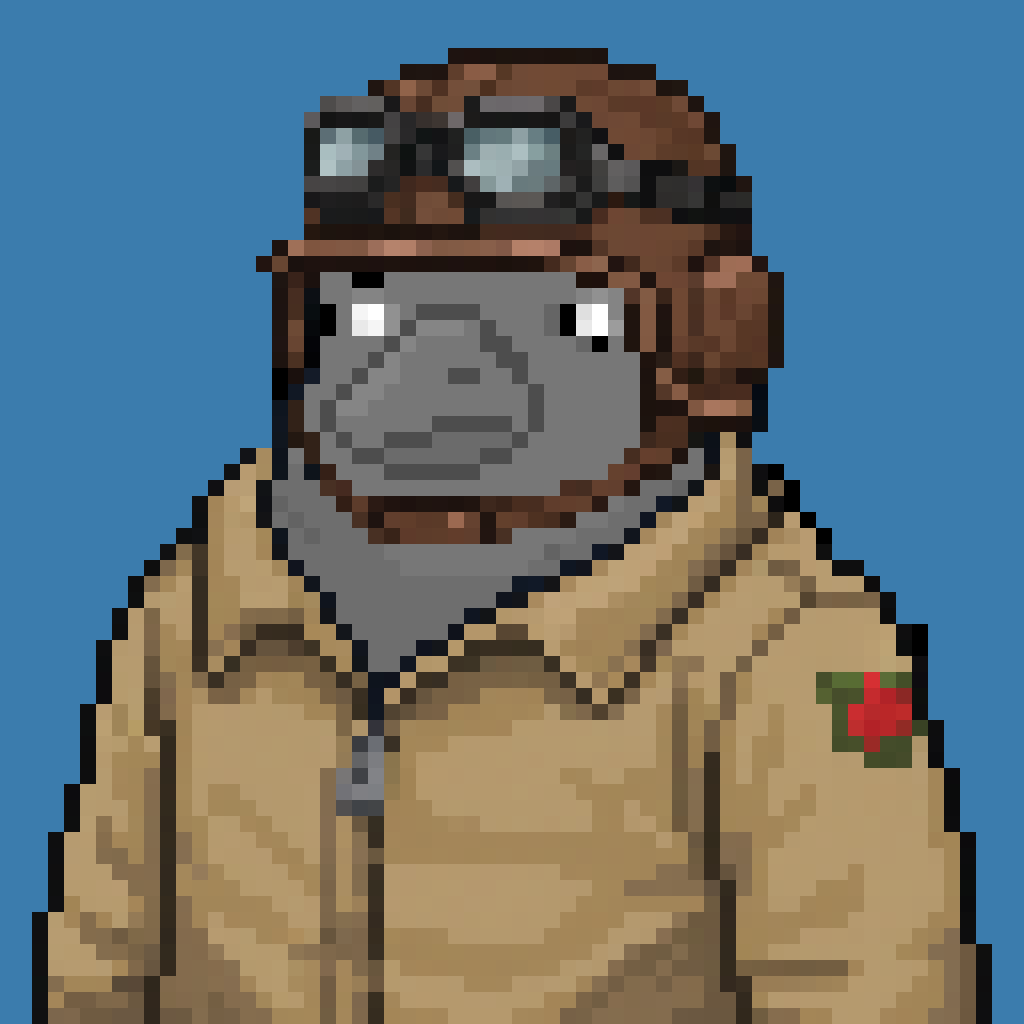
Podo on Android: landing, signup, login, and the home weather dashboard. Kotlin is the day-to-day language.
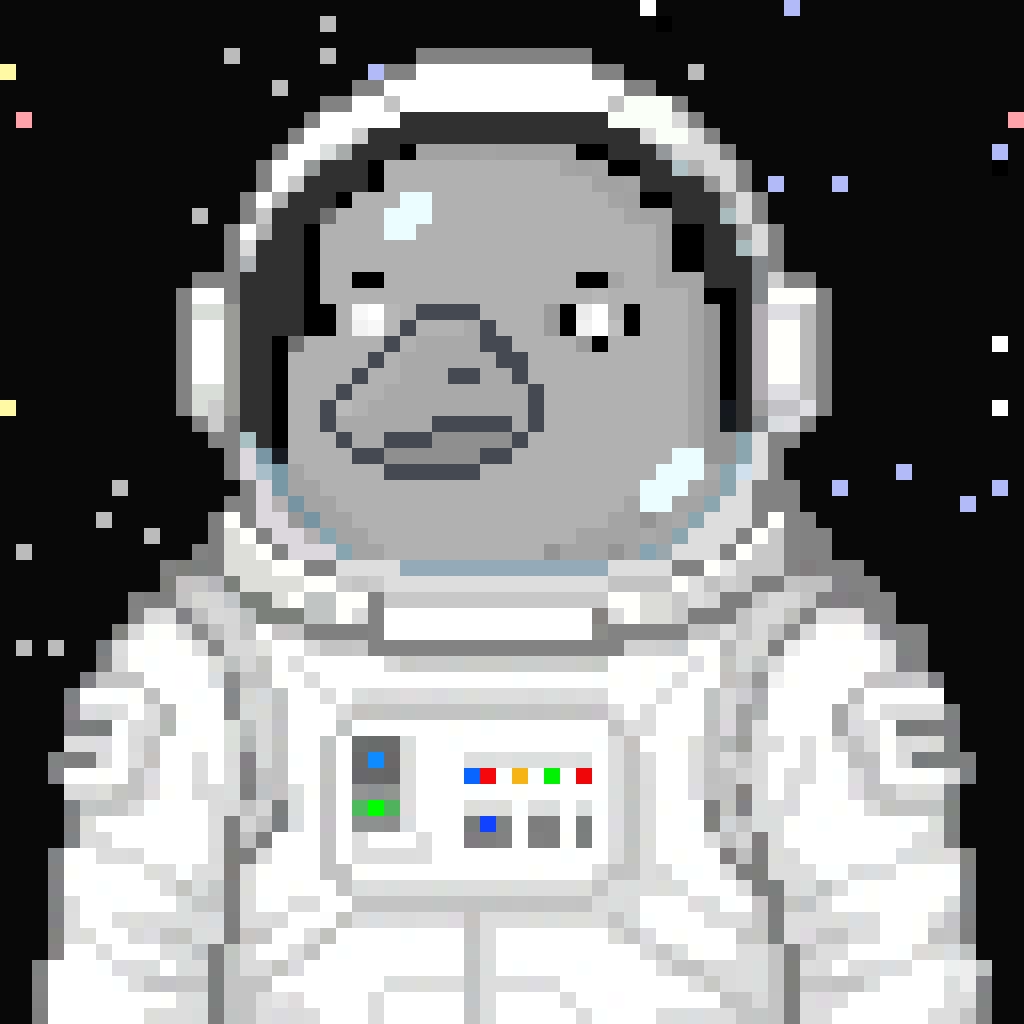
The Rust person. Owns fledge and Rita, and ships Quill on Linux. If it is systems code, it usually lands here.
We bring different skills to shared projects, learn from the people using them, and keep improving the tools behind the work.